
Holistic Physiotherapy Supports Physical and Emotional Well-Being
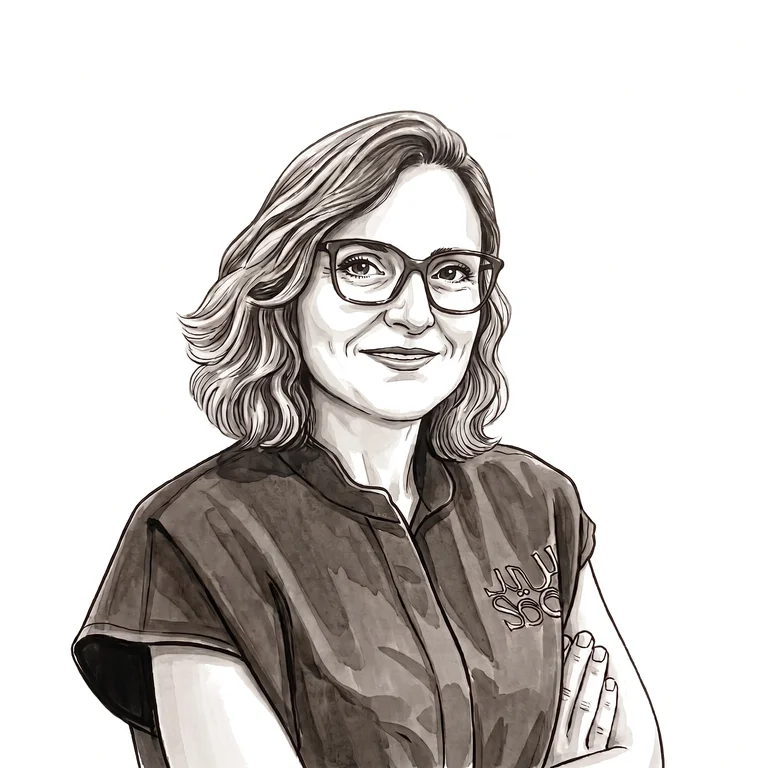
Pain rarely shows up in isolation. A stiff neck after a long week, a lower back that flares under pressure, tension held across the shoulders during a difficult season — these are as much nervous system patterns as they are mechanical ones. Over two decades of clinical practice, I've come to see the body and the emotions it carries as inseparable: you cannot fully treat one without paying attention to the other.
A holistic physiotherapy session, then, starts well before any hands-on technique. It starts with listening — understanding not just where it hurts, but what has been happening in a person's life, sleep, workload and stress levels leading up to it. This context changes everything about how a treatment plan is built.
From there, we combine manual therapy with movement re-education, breathing work and, where appropriate, nervous system regulation techniques drawn from somatic therapy and polyvagal theory. The aim isn't only to reduce pain in the moment, but to help the body learn that it is safe to let go of the tension it has been holding — often for far longer than the patient realises.
This approach is especially meaningful for patients navigating major life transitions: new parents rebuilding strength and confidence after childbirth, people recovering from surgery, or anyone whose body has quietly absorbed months or years of unresolved stress. Progress, in these cases, is rarely just physical. Patients frequently describe feeling calmer, sleeping better and moving through their days with more ease — alongside the reduction in pain they came in for.
Movement, done thoughtfully, is medicine — not only for the joints and muscles, but for the nervous system that governs how we experience pain, stress and recovery in the first place.
This article reflects Natacha Tavares's clinical approach and is presented here as illustrative content pending final copy from Seed.